
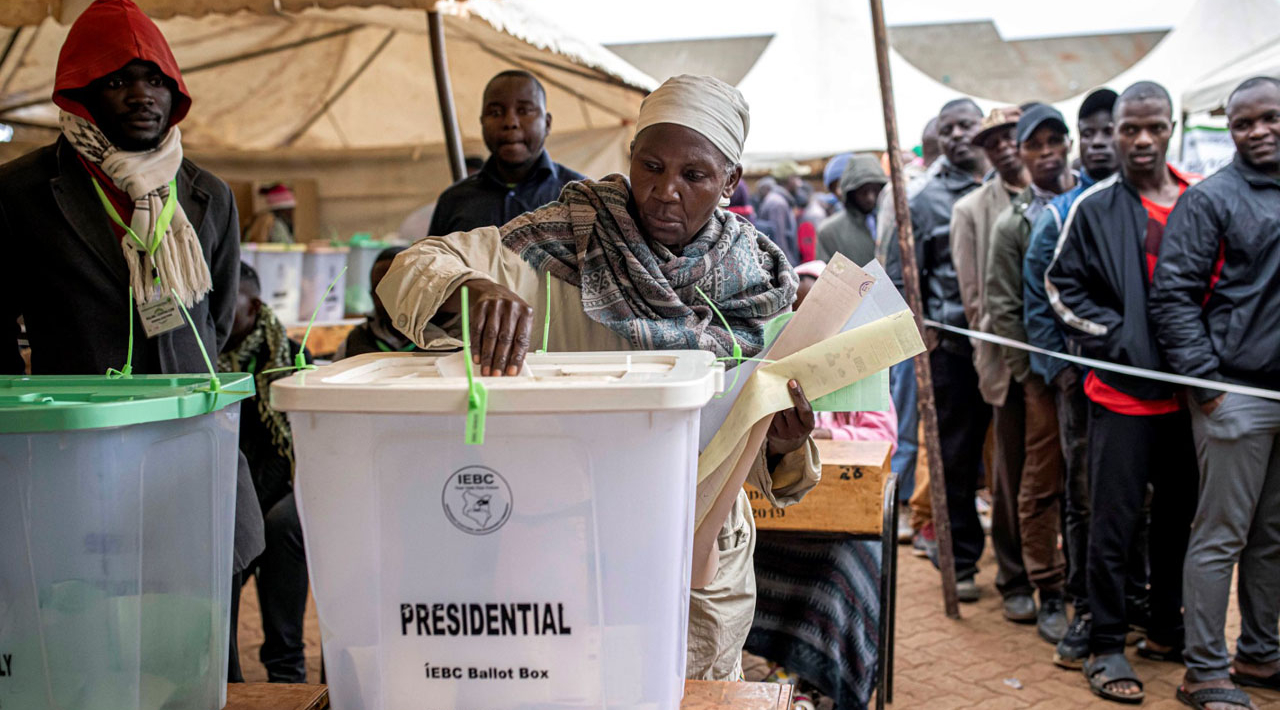


Less than one year before millions of Kenyans return to the ballot for the 2027 General Elections, the country is already entering a critical phase of its electoral cycle. The political machinery is already warming up, alliances are being negotiated, political leaders are positioning themselves, voters are being mobilised and the Independent Electoral and Boundaries Commission (IEBC) is preparing for the 2027 polls. But as the country moves closer to a highly charged political season, there is a question that deserves far more attention than who will occupy State House: Will human rights be protected throughout the electoral period?
Political competition can create an environment in which intimidation, violence, hate speech, disinformation, arbitrary arrests and restrictions on peaceful assembly risk becoming normalised in the name of political mobilisation or public order.
The recent Ol-Kalou by-election, for example, serves as a reminder that the political rights guaranteed under Article 38 of the Constitution must be protected throughout the electoral process. During the campaign period, concerns were raised regarding political tensions, campaign conduct, and incidents of violence affecting members of the public and journalists. Can Kenyans exercise the political rights guaranteed to them by the Constitution without fear, coercion or intimidation?
The Demand for greater political participation, accountability and reforms in Kenya has also become increasingly visible among young people. The 2024 #RejectFinanceBill protests marked a significant moment in how a generation of young Kenyans engaged with questions of governance, accountability and political participation. A protest, which later turned deadly, saw thousands of young people from across the country take to the streets to express concerns about governance, accountability, representation and decisions affecting their lives. The streets became a space for political participation, while social media became a powerful tool for mobilisation and expression. Young people who had often been characterized as politically disengaged demonstrated their willingness to participate in public affairs and demand accountability.
Following these events, calls for political participation have increasingly extended beyond the streets to the ballot. Two years later, this growing interest in electoral participation has found expression in initiatives such as the “NIKO KADI” campaign, which encourages young people to register as voters ahead of the 2027 General Election. The message was simple but significant: if young people wanted their voices to influence who governs them, they had to claim their place within the electoral process by registering as voters. Young people must be able to speak out, protest, question political leaders, and participate in public affairs as the country heads towards the elections, free from intimidation, discrimination, violence and fear. And if the 2024 protests showed Kenya that its young people refuse to remain silent, the period leading to 2027 will test whether the country is prepared to listen.
The responsibility to protect human rights rests with everyone, but the State has a particular obligation to respect, protect and fulfil human rights. Kenya must protect civic space by ensuring that human rights defenders, journalists, activists and civil society organisations can document abuses, criticise government and monitor political activity without intimidation or harassment., Security agencies must respect the rights to peaceful assembly and freedom of expression, ensuring that the policing of protests and political gatherings complies with Kenya’s Constitution and international human rights standards. Political violence and intimidation must be prevented, investigated and addressed before the campaign period reaches its peak, with perpetrators held accountabile regardless of their political affiliation or position.
Kenya has been here before. We have seen political violence, shrinking civic space, repression of dissent, and citizens demanding to be heard. We have also witnessed young people increasingly claiming their place in public and political life, both on the streets and through the ballot. The 2027 General Election therefore presents Kenya with a critical test of whether the rights guaranteed by the Constitution will remain protected when political competition intensifies. The question is whether Kenya will once again learn the cost of ignoring the warning signs?
Fredrick writes in his own capacity. Email [email protected]