

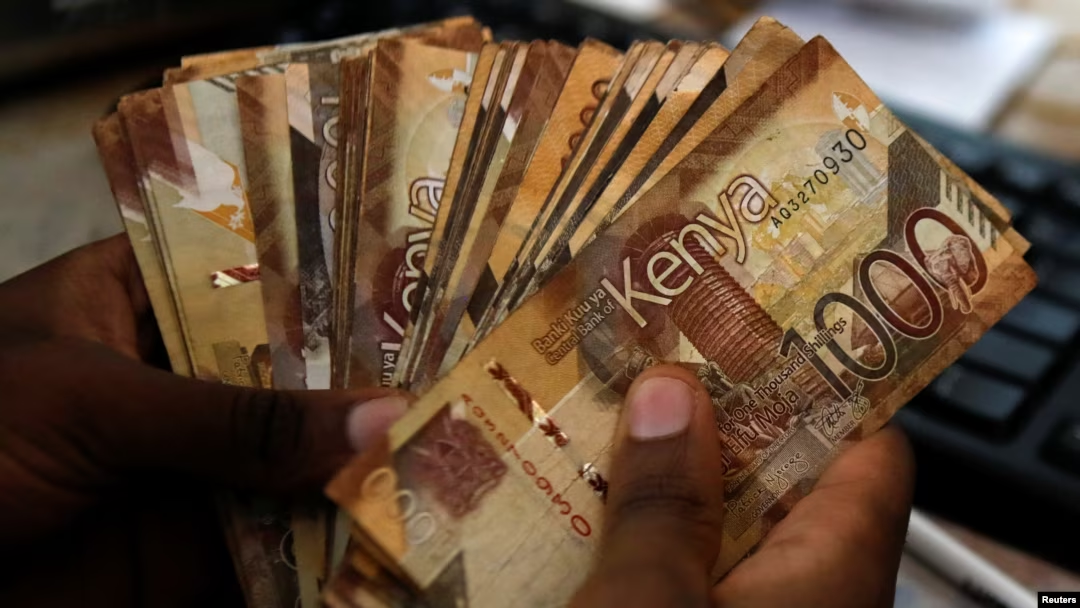


As you walk or drive past any street in Nairobi, its environs, or any other location you find yourself in Kenya, it is not uncommon to see children playing at times when they ought to be in school studying, but they’re at home. Community WhatsApp groups are flooded with appeals, whether for medical support, burial expenses, school fees or even individuals on the brink randomly requesting any amount just to put food on the table. Businesses and most people on payrolls no longer feel the benefits; it’s becoming harder to keep businesses afloat, and the deductions on the pays lips are painful. In the end, it’s Mwanainchi bearing the full brunt.
As of 2026, Kenya’s public debt stands at Ksh 12.8 trillion, a budget of 4.8 trillion with a deficit of 1.1 trillion (about 5% of GDP). Increasingly, the government is borrowing locally, leaving little for Micro, Small, and Medium Enterprises (MSMEs) or individuals to borrow, and if they do, the repayment terms are tough for most. So, with high rates of school dropouts, high unemployment, little access to credit, an unconducive environment for start-ups, extreme stress diminishing creativity, life gets very difficult pushing some to criminal ventures or drug abuse that land them on the wrong side of the law, which could also lead to pre-trial death in remand cells, as seen in the various cases reported of deaths in custody.
For the majority law-abiding citizens, life moves on regardless, but as and when necessary, political dissent becomes inevitable. Whether online or in person, people rightfully gather to express their dissatisfaction with how the country is generally governed or, specifically, raise concerns about service delivery in a particular sector. All the safeguards in the Constitution seemingly guaranteed are more on paper and less in practice. News of extrajudicial killings emanating from protests no longer feels like news. It has become the modus operandi, andas if reading from the same script, some leaders even justify the killings. The linkage between public debt, corruption and loss of lives cannot be overemphasized.
By now, Kenyans know what to do and how to do it. But even as we wait for the ballot moment, the government must, as a matter of compliance with the social contract, avoid the use of excessive force against its citizens, adhere to the rule of law, at the very least, by respecting court orders, and address citizens’ concerns through positive actions like improving service delivery and combating corruption. Ultimately, as a country, we must check our spending appetite, and austerity measures need to apply to all levels of government, lest we have nothing left for ourselves.