

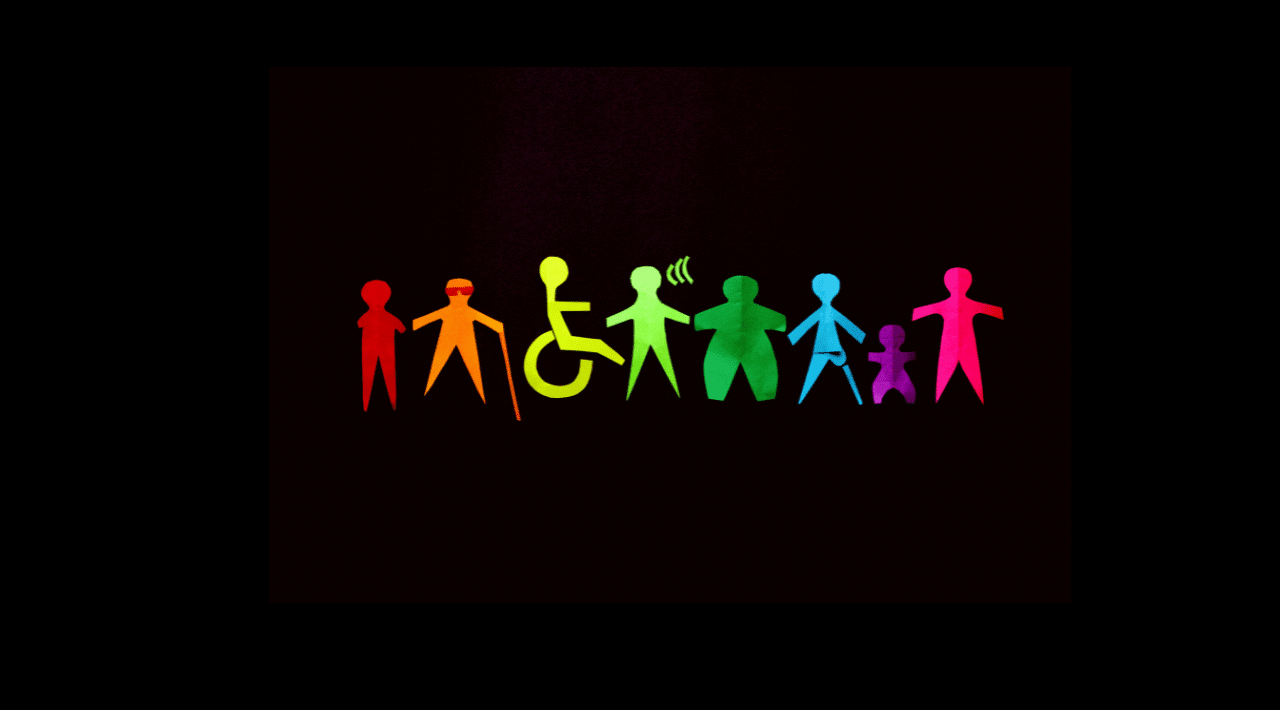


As of the 2019 national census in Kenya, over 900,000 Kenyans lived with a disability, representing 2.2% of the general population. According to the United Nations Population Fund in Kenya (UNFPA), mobility-related disabilities account for about 42% of this total. In comparison, visual-related disabilities account for 36.4%, cognitive disabilities for 23.2%, and hearing-related disabilities for 16.7%. It is also noted that more than 80% of persons with disabilities live in rural areas. These Persons with disabilities continue to face a myriad of challenges living their day-to-day lives, with children missing school, parents can’t access opportunities, and the elderly remain confined to their homes, simply because assistive devices seem to be a luxury rather than a necessity.
Article 260 of the Kenyan Constitution defines disability as “any physical, sensory, mental, psychological or other impairment, condition, or illness that has or is perceived by significant sectors of the community to have a substantial or long-term effect on an individual’s ability to carry out ordinary day-to-day activities.” After the enactment of the Persons with Disabilities Act No. 14 in 2003, the National Council for Persons with Disabilities (NCPWD) was set up in December 2004 to protect and promote equalization of opportunities and realization of human rights for persons with disabilities to live decent lives.
My recent interaction with Persons with Disability in Kenya, however, revealed otherwise; many still spend hours or even days to get registered as a person with disabilities under the National Council for Persons with Disabilities, causing delays in access to healthcare services as a person with disability. I also came to learn that the Social Health Authority in Kenya does not comprehensively cover assistive devices, like prosthetic limbs, hearing aids, etc., and hence many of them continue to spend thousands of hard-earned incomes on healthcare, specifically to cover assistive devices, and this forces many of these families to sell valuable assets and pushes them further into poverty.
In Kenya, persons with disabilities continue to struggle with income generation, stigmatization, and discrimination. I urge the government of Kenya to stay true to Article 43 of the constitution, which guarantees every person in Kenya the economic and social rights, including the highest attainable healthcare standards, and more so, Article 43 (3), which obligates the state to provide social security to persons who are unable to support themselves and their dependents.
The structural barriers that continue to deepen inequality should be broken. Disability rights are human rights.