


A national risk assessment by Kenya’s Ministry of Interior has warned that 18 counties are at risk of being affected by El Niño from October. For many Kenyans, this may sound like a weather forecast. For thousands of families across the country, it sounds like a warning they have heard before, and one that still haunts them. The question is: what is the human cost?
Because in Kenya, floods are not just about heavy rains. They are about graves. They are about lost homes. They are about children pulled out of school. They are about families starting over with nothing.
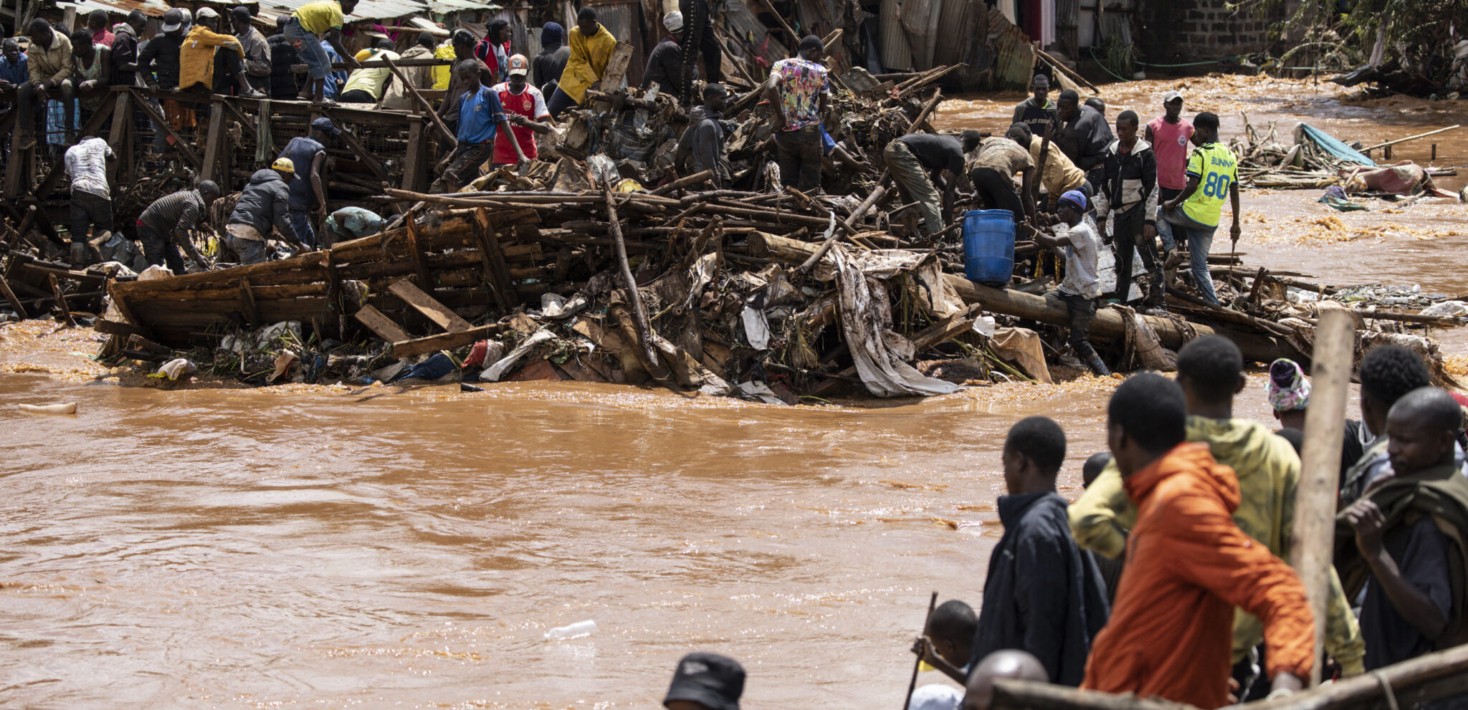
The announcement comes barely two years after the devastating flooding experience in 2023 and 2024. Between the El Niño-enhanced rains of late 2023 and the devastating floods experienced during the long rains of 2024, hundreds of lives were lost and hundreds of thousands of people were displaced. According to reports from the United Nations Office for the Coordination of Humanitarian Affairs (OCHA) and the Kenyan Ministry of Interior, the 2023 El Niño rains claimed approximately 178 lives across 38 counties. During the March-May 2024 floods, Amnesty International Kenya documented that at least 290 people were killed and 55,776 families were displaced.
Numbers, however, have a dangerous way of hiding reality.
When we hear that nearly 300 people died in the 2024 floods, we often fail to picture what that means. It means parents who never came home. It means children who lost caregivers overnight. It means families waking up to discover everything they owned had been swept away. It means entire communities watching years of hard work disappear in a matter of hours.
The tragedy at Mai Mahiu remains one of the starkest reminders of this reality. A flash flood triggered by the failure of a railway embankment killed dozens of people and left families searching for missing loved ones. The images dominated national conversations for days. Yet long after the cameras left, survivors were still dealing with grief, displacement, trauma, and uncertainty.
The human cost of floods extends far beyond fatalities. And perhaps the most uncomfortable truth is that floods do not affect everyone equally. People living in poverty and other marginalised communities often bear a disproportionate burden.
In informal settlements such as Mathare, Kibera, and Mukuru, families living closest to rivers and drainage channels face the highest risk. For many residents, living in these areas is a consequence of limited access to affordable, adequate and secure housing. When floods arrive, it is often these communities that lose the most and recover the slowest.
That is why flood preparedness is not only an environmental issue. It is a human rights issue. The right to life requires that the State to take appropriate measures to protect people from foreseeable threats to life. The right to adequate housing required that the State to take measures to ensure people can access safe and dignified housing, particularly those living in situations of heightened vulnerability. The right to information means communities receive timely warnings that enable them to prepare and evacuate safely.
The government’s warning about the possibility of above-normal rainfall should therefore not be treated as routine communication. It should be treated as an opportunity to prove that lessons have been learned. The true test is not whether forecasts are issued. The true test is whether lives are saved.
Will vulnerable communities receive adequate support before disaster strikes? Will evacuation plans be clear and accessible? Will drainage systems be cleared? Will temporary shelters be ready? Will the most at-risk communities receive timely, adequate and non-discriminatory protection before disaster strikes?
These are the questions that matter.
The human cost of floods cannot be measured only by the number of people who die. It is measured by the number extent to which deaths, displacement and suffering could have been prevented or reduced through timely and effective preparedness and response. As Kenya prepares for another potential El Niño season, we must remember that behind every statistic is a name, a family, and a future. And that is what is truly at stake when the rains begin to fall.