


A true story is told of teachers at a primary school in Kilifi County who noticed something strange about one of their pupils. Whenever the girl began showing signs of pregnancy, she would stop coming to school. Weeks later, she would return, and the pregnancy would no longer be visible. Her grades suffered, her attendance was erratic, and, as happens far too often, adults failed to ask the right questions, with suspicion falling on the child for sleeping around. Only after one concerned teacher decided to probe deeper did the truth emerge. The girl was being sexually abused by her own father. Each time she became pregnant as a result of the abuse, he forced her to terminate the pregnancy. Eventually, the father was prosecuted.
That story has stayed with me because it exposes the dangerous gap between what adults see and what children experience. A child missing school, her grades falling, her behavior changing, or her body changing can easily become a subject of gossip, discipline, or judgment. Sometimes, it is a cry for help.
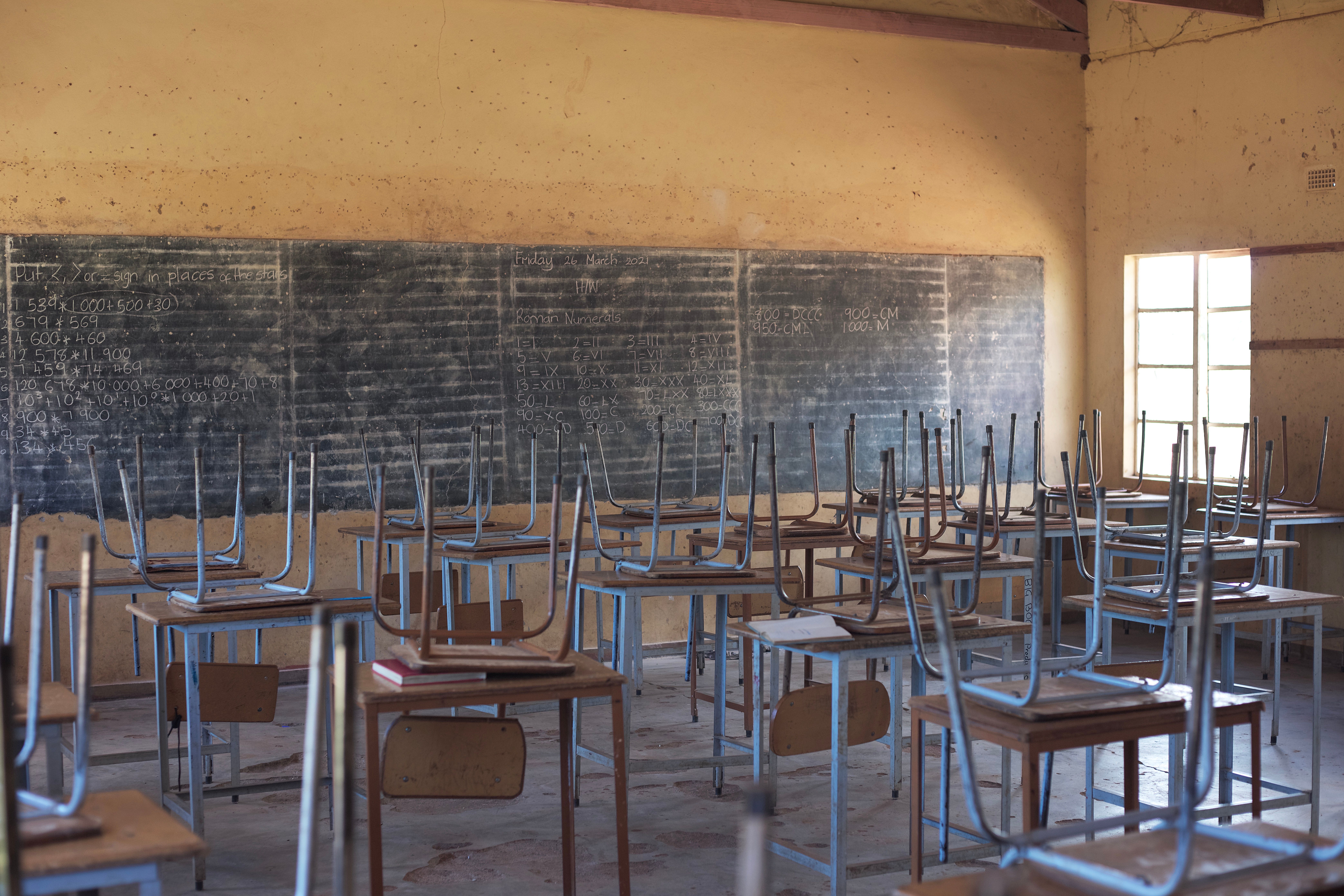
That is why the unfolding story at Bakisa Secondary School in Webuye East, Bungoma County, should disturb us far beyond the headline of “teenage pregnancies”. The school has reported 36 learners who are or were pregnant. Current reports indicate that some are already young mothers, some are pregnant, and others have left school after becoming pregnant. That means that in a single school, dozens of children’s education and futures have been disrupted.
But the most important question is not: Why are these girls getting pregnant? It is: Who is having sex with children? Reports from the area indicate that many of the suspected perpetrators are adults. Authorities have launched investigations and a manhunt, while local administrators have said they are pursuing those responsible.
That investigation must be allowed to establish the facts of each case and ensure that anyone found to have committed an offense is held accountable through due process. But prosecution alone will not solve this problem. The accounts emerging from Bakisa point to a deeper reality: poverty can make children vulnerable to exploitation. Where a child struggles to access food, sanitary products, transport, or other basic necessities, an older person offering money, food, or gifts can acquire enormous power over that child. That is not a relationship between equals, it is exploitation.
This is where our national conversation about teenage pregnancy often goes wrong. We talk about girls’ behavior. We talk about morality. We talk about discipline. We tell parents to “guide” their daughters. But we don’t ask enough questions about the adults who exploit children’s vulnerability. We don’t ask why a child should have to depend on an adult man for food. We don’t ask whether schools have functioning child-protection mechanisms. We don’t ask whether children know where to report abuse, or whether they trust those systems enough to use them. And we don’t ask what happens when a child reports abuse and the adult responsible for protecting her is also the person hurting her.
The Kilifi case demonstrates why these questions matter. The girl was attending school. Teachers could see that something was wrong. Yet the abuse remained hidden until one teacher looked beyond the obvious explanation. That is the missing link in the Bakisa story. How many warning signs were missed before we reached 36 cases?
The lack of a boarding facility and the long journeys between home and school have rightly been identified as factors that may expose learners to greater risks. The school has called for a dormitory to improve their safety. A boarding facility may help, but it cannot be the entire solution.
We need stronger child-protection systems in schools. We need teachers trained to recognize and respond to signs of sexual abuse. We need confidential and accessible reporting mechanisms. We need properly resourced child-protection and gender desks. We need communities capable of recognizing exploitation rather than normalizing relationships between adult men and schoolgirls. And we need poverty interventions that ensure a child does not have to depend on an adult predator for basic necessities. Most importantly, pregnancy must not become the end of a girl’s education.
The girls affected at Bakisa are not the perpetrators of a social problem. They are children whose education, dignity and safety must be protected. Their return to school, access to healthcare and psychosocial support, and protection from stigma must be part of the response.
The police investigation is necessary. But the bigger test is what happens after the arrests. If we prosecute a few men but leave the conditions that make children vulnerable untouched, we will have dealt with the symptoms while leaving the disease intact. 36 cases in one school should therefore force Kenya to look beyond the pregnancy statistics. Behind every number is a child. And behind a child’s pregnancy may be a story of poverty, coercion, exploitation, silence or abuse.
The question we should be asking is not how we can teach girls to avoid pregnancy. It is whether we have built a society capable of protecting children from the adults who prey on their vulnerability. Because when 36 girls are affected in one school, the question is no longer whether something went wrong. The question is how many warning signs we failed to see and what we are going to change before another child becomes a statistic.