



Amnesty International Kenya Advisory to the Government of Kenya
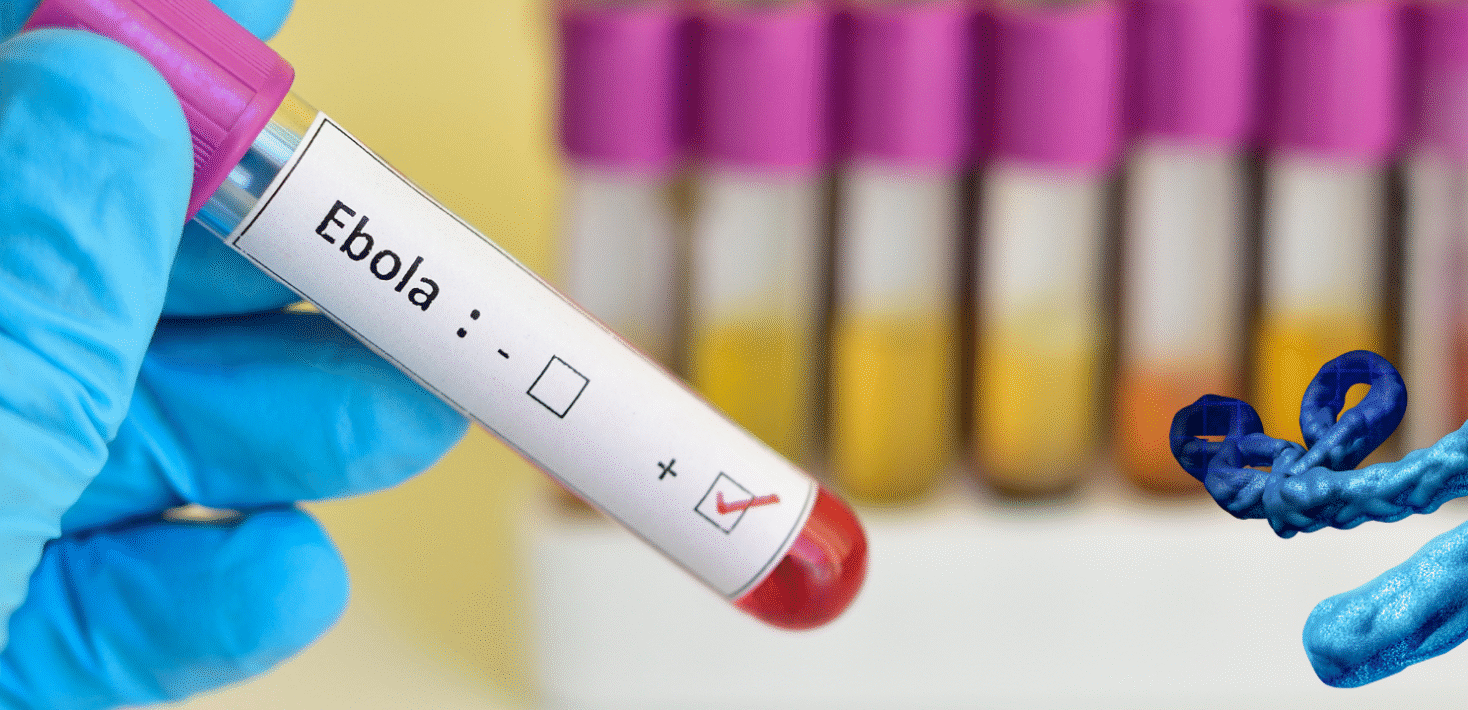
NAIROBI, 7 OCTOBER 2026: Amnesty International Kenya acknowledges the Government of Kenya’s confirmation of the country’s first imported case of Bundibugyo Ebola Virus Disease (EVD) and the death of the patient in Nairobi. We extend heartfelt condolences to the family and loved ones of the deceased.
The confirmed case involves a Kenyan citizen living in the Democratic Republic of Congo who travelled through Uganda before arriving in Nairobi on 3 October 2026. The Ministry of Health has rightly initiated contact tracing, identifying 28 initial contacts and tracking 23 flight passengers and four crew, alongside quarantine measures.
While we recognize the State’s primary obligation to protect the right to life and health, public health and human rights are not competing objectives. A rights-respecting response builds public trust, encourages voluntary reporting, and strengthens cooperation. Learning from the harsh lessons of the COVID-19 pandemic, emergency measures must remain lawful, necessary, proportionate, time-bound, and non-discriminatory.
Key Human Rights Imperatives for the Ebola Response:
1. Place Human Rights at the Centre
All measures must comply with the Constitution and international obligations. Under Article 43, the right to health is guaranteed, while Article 24 dictates that any restrictions on rights must be provided by law, reasonable, justifiable, and strictly necessary. Emergencies must never serve as a blanket justification for unrelated state overreach.
2. Effective Contact Tracing Without Indiscriminate Surveillance
Contact tracing is vital, but it handles deeply sensitive data. The Government must uphold privacy rights under Article 31:
- Collect only essential public-health data with clear transparency on its use.
- Prohibit unauthorized disclosures, media leaks, or the publication of identifying details of suspected or confirmed cases.
- Safeguard passenger manifests and prevent the repurposing of health data for law enforcement, immigration, or commercial agendas.
3. Protect Patient Confidentiality
Public communication must focus on epidemiological data, symptoms, exposure locations, and support channels, never on personally identifying medical histories or patient names. Fear of public exposure drives patients into hiding.
4. Quarantine Must Never Become Punishment
Quarantine is an infection-control tool, not a criminal sanction. Learning from past abuses in quarantine facilities, the Government must guarantee:
- Adequate accommodation, safe food, clean water, and proper sanitation.
- Essential personal protective equipment (PPE), medical care, and psychosocial support.
- Unhindered communication with families and legal representation, free from degrading or humiliating treatment.
5. Base Quarantine on Risk, Not Fear
Apply evidence-based criteria distinguishing active monitoring, self-monitoring, home quarantine, and institutional isolation. Home quarantine should be prioritized where safe, and administrative decisions must be continuously reassessed.
6. Provide Comprehensive Support to Quarantined Persons
The cost of public safety must not be shifted unfairly onto individuals. The State must provide food supplies, essential medicines, healthcare continuity for unrelated conditions, childcare support, and livelihood assistance for those ordered to stay home.
7. Provide Special Protection for Children
Children must never be placed in adult quarantine facilities. The best interests of the child require dedicated protocols for minors who are contacts, patients, or whose caregivers are isolated, ensuring uninterrupted nutrition, healthcare, and education where feasible.
8. Safeguard Healthcare and Frontline Workers
Frontline workers cannot bear extraordinary risks unprotected. The State must guarantee robust PPE supplies, infection prevention training, occupational health support, safe working hours, psychosocial care, fair compensation, and protection from retaliation when raising safety concerns.
9. Ensure Treatment with Dignity
Suspected and confirmed cases are patients, not threats. Rapid diagnosis, palliative care, mental health support, and family communication must be guaranteed. Crucially, Ebola preparedness must not drain resources away from maternity care, HIV treatment, emergency services, and other essential healthcare.
10. Ensure Dignity in Death and Burial
Safe burial protocols must respect the deceased and their families. Authorities must transparently explain necessary precautions and collaborate with families and religious leaders to find safe alternatives to traditional practices, avoiding the public display of bodies or images.
11. Combat Stigma, Xenophobia, and Discrimination
Ebola is a disease, not a nationality. The imported case must not trigger hostility or scapegoating against Congolese nationals, refugees, migrants, traders, or cross-border communities. Public messaging must actively counter stigma.
12. Do Not Criminalize People for Seeking Care
Punitive enforcement drives sick people into hiding. The public must be encouraged to call the toll-free 719 hotline and seek help voluntarily, assured that they will be treated with dignity and confidentiality rather than punishment.
13. Transparent, Accessible, and Accurate Public Communication
Build public trust through predictable briefings on case numbers, testing data, affected areas, and health guidelines. Actively counter misinformation without resorting to censorship or penalizing legitimate public critique.
14. Engage Communities Instead of Governing Through Fear
Partner meaningfully with county governments, community health promoters, civil society, religious leaders, and marginalized groups. Engagement must be a two-way dialogue, not top-down instructions.
15. Protect Freedom of Expression and Media Freedom
Journalists and the public must be free to report on the response and question official measures. Authorities must distinguish between malicious disinformation creating genuine health risks and legitimate journalism, commentary, or expressions of public anxiety.
16. Avoid Excessive Policing of Public Health
Security agencies have a role in supporting operations, but public health measures must never excuse police brutality, arbitrary arrests, or intimidation. Compliance with court orders and community engagement must take precedence over repression.
17. Prevent Mission Creep of Emergency Powers
Emergency powers must not morph into pretexts for suppressing political dissent, restricting peaceful assembly, conducting mass surveillance, or targeting specific communities.
18. Evidence-Based and Non-Discriminatory Border Measures
Border screening at airports and land crossings must rely on public health evidence rather than blanket national discrimination. Screening must link smoothly to referral and care systems rather than outright abandonment at borders.
19. Protect Women, Girls, and Vulnerable Populations
Quarantine facilities must be gender-sensitive, safe, and robustly protected against sexual exploitation, harassment, and gender-based violence, while maintaining unhindered access to sexual and reproductive health services.
20. Guarantee Independent Oversight and Accountability
Independent bodies, including the Kenya National Commission on Human Rights, the Office of the Data Protection Commissioner, and civil society, must be permitted to monitor quarantine facilities, data handling, and resource utilization to prevent corruption or rights violations.
21. Publish All Legal and Operational Frameworks
Transparency is foundational. All guidelines governing contact tracing, quarantine, testing, border screening, and data handling must be publicly accessible in languages communities understand.
22. Continuously Review Restrictions
Emergency rules must not become permanent by default. The Government must establish clear review triggers to scale back or lift restrictions the moment epidemiological evidence allows.
23. Build Trust Through Accountability
Coercion cannot sustain public health. Lasting containment relies on public trust: trust that quarantine preserves dignity, data remains private, families are supported, health workers are shielded, and state institutions remain accountable.
Our Call to the Government
bolAmnesty International Kenya calls upon the Government of Kenya to:
- Place human rights at the absolute centre of the Ebola response.
- Ensure all restrictions strictly satisfy Article 24 of the Constitution (legality, necessity, and proportionality).
- Protect patient privacy, data security, and medical confidentiality.
- Treat quarantine as a public health measure, ensuring humane conditions of dignity.
- Provide tailored safeguards for children, women, persons with disabilities, and older persons.
- Guarantee accessible, dignified, and non-discriminatory medical care for all.
- Shield healthcare workers with complete PPE, training, and occupational safety.
- Uphold dignity in bereavement and safe burial practices.
- Actively dismantle stigma, xenophobia, and misinformation.
- Keep public communication transparent, accessible, and grounded in trust.
- Protect freedom of expression, media freedom, and civic participation.
- Reject excessive policing and ensure independent oversight and accountability.
Kenya has a profound opportunity to demonstrate that defeating an epidemic does not require sacrificing human rights. Decisive public health action and human dignity are mutually reinforcing. No one must be left without protection from the response itself.
ENDS
Signed:
George Morara
Executive Director, Amnesty International Kenya
For media inquiries and interviews, contact:
Mathias T. Kinyoda | Mobile: +254 786 725 434 | Email: [email protected]