

The cheers, screams, and shouts by the children in Nyakichiwa Primary School in Bomet, describing the joy of having newly equipped classrooms as well as free lunch, all courtesy of a philanthropist commonly referred to as Mr. Beast, bring my attention to the Draft 2026 Budget Policy Statement (BPS) that has recently undergone public participation. As the BPS heads to the National Assembly for review and approval, questions linger about the significant reductions in allocations for key Education programmes in the Financial Year 2025/2026.
Notably, the School Health, Nutrition, and Meals program, which serves more than 2.6 million learners in Kenya, was reduced by KSh 6,000,000. For many learners in arid and semi-arid land counties benefiting from the program, there have been improvements in their school enrolment, concentration, and retention. I have visited some counties where children rely solely on the daily school meal to curb absenteeism and avoid dropping out of school because of food. While the draft 2026 BPS speaks to improved access and equity in quality education as an outcome, reducing the budget for such a program encourages regional inequality in accessing quality education.
The government capitation funding to schools is done uniformly without factoring in the unequal contexts of learners in marginalised arid and semi-arid lands. In the FY 2025/2026, the free secondary education funding was reduced by Ksh 3.88 billion. For many learners in arid and semi-arid counties, secondary school education is essential to improving lives, and reducing the budget only shifts the burden to parents, who may be forced to dig deeper to afford their children’s education.
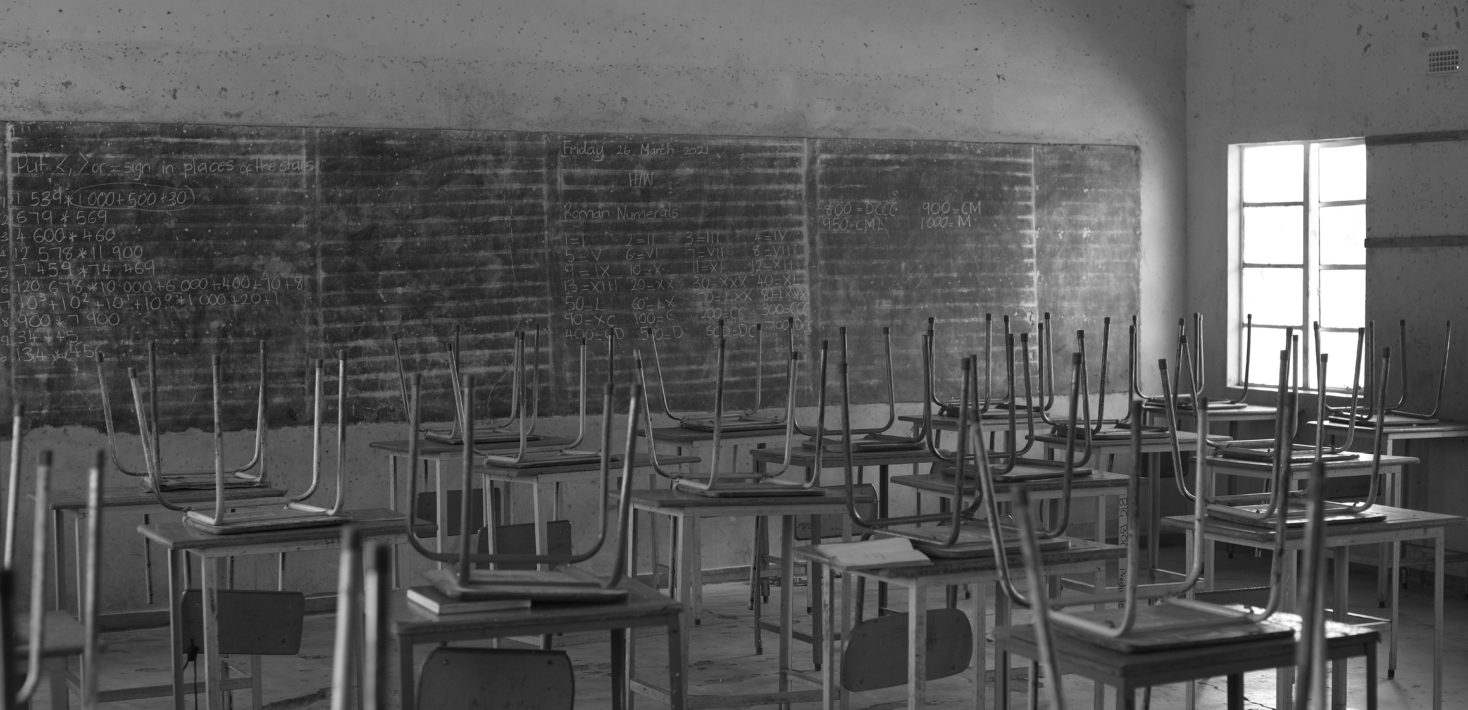
During a visit to a school, there was no lab, the structures were falling apart, and there were very few teachers compared to the learners. This led me to look into the budget allocations for the Quality Assurance and Standards programme, which is meant to monitor school learning conditions in grassroots areas, and this explains why many schools in Kenya remain unequipped and underfunded. In FY 2025/2026, their budget was cut by 2.6 billion, which impacts learning outcomes. This affects how classrooms meet standards for safety, accessibility, infrastructure, and inclusion. These are some of the budget decisions that determine whether schools in Kenya can match the newly built and equipped Nyakichiwa classrooms or remain dilapidated as they are in grassroots areas.
There has been a lack of disaggregated data on current budget allocations and outcomes by sex, disability, county, and socio-economic status. The BPS does not link the budget reductions to the equality impact assessment. The right to education encompasses accessibility and availability, and there is a need for parents and stakeholders to emphasize transparent, meaningful participatory budgeting and monitoring in schools at the national and county levels.
Education financing must be guided by transparency, equity, and the upholding of our Kenyan constitution and international human-rights obligations. Education in Kenya is a constitutional right, and the joy of Kenya’s children learning in well-equipped, safe classrooms shouldn’t come from philanthropists but should be guaranteed through transparent, equitable, and well-resourced public policies. Only then will these realities of excitement about well-equipped schools be seen as lived experiences for learners in Kenya.