



NAIROBI, 24 JUNE 2026: The Law Society of Kenya and Police Reforms Working Group note the planned nationwide memorial processions scheduled for Thursday, 25 June 2026, organised largely by Gen Z activists and citizens to commemorate those who lost their lives during the June 2024 protests.
These memorial processions, widely framed in public discourse as peaceful acts of remembrance, solidarity, and continued calls for accountability, fall squarely within the constitutional right of every person to assemble, demonstrate, picket, and present petitions peacefully and unarmed under Article 37 of the Constitution of Kenya.
The National Police Service (NPS) is reminded that its primary role is to facilitate and protect the exercise of this right. Protest notifications are intended to enable coordination for public safety, not to seek permission. Several human rights organisations will be monitoring the public commitment by the President, Interior Cabinet Secretary, and the Police Service to facilitate peaceful protest nation-wide in accordance with Article 37.
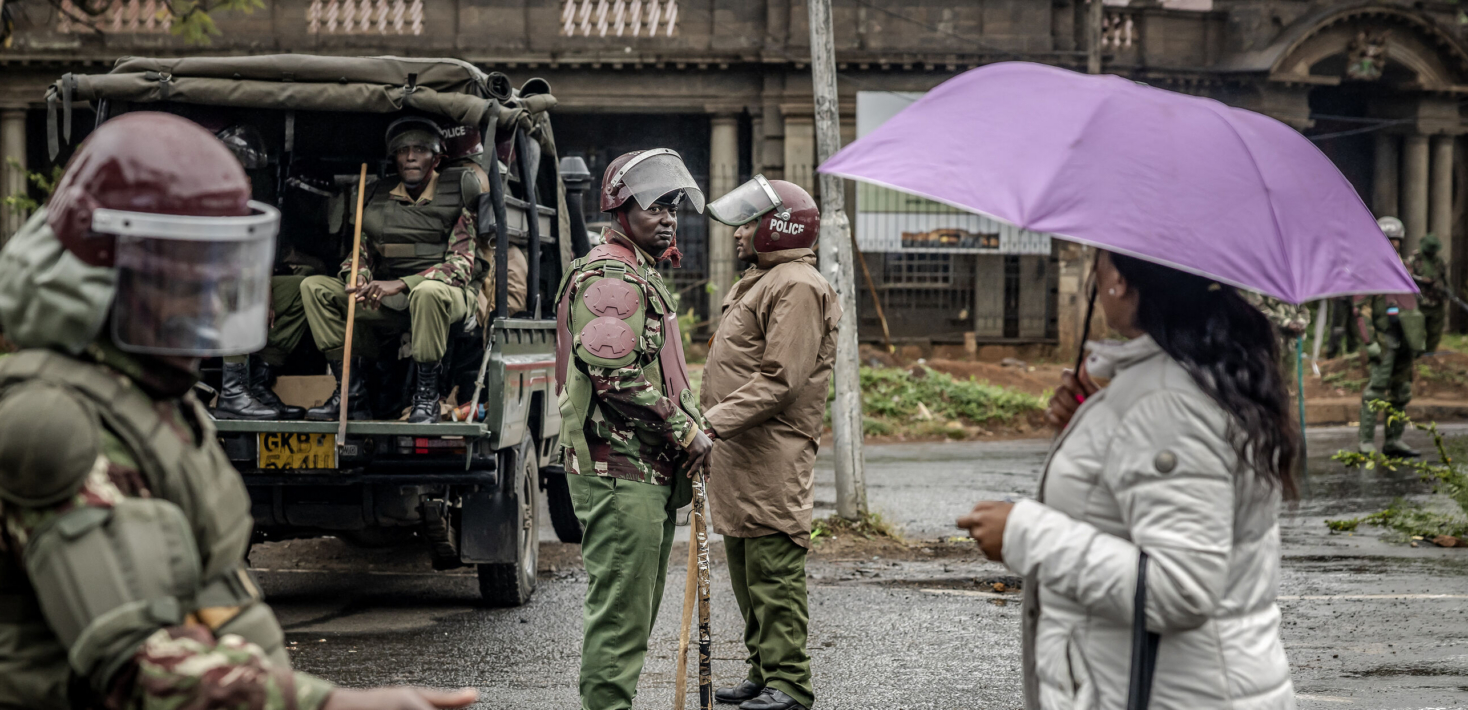
Past responses have seen excessive use of force, unlawful arrests, attacks on journalists, and obstruction of medical assistance. These violations have resulted in the loss of over 138 lives, 1,227 injuries, and lasting trauma over the last six years. Individual officers and their commanders are currently facing personal criminal charges for violations of human rights and Kenyan law.
Recent court decisions and standing directives continue to affirm that the use of force must be strictly regulated. The use of live ammunition, masks or non-uninformed officers against peaceful civilians remains unlawful and unconstitutional, and protest situations must never be treated as battlefields in a constitutional democracy.
The Law Society of Kenya and Police Reforms Working Group jointly issue the following seven advisory human rights based guidelines to guide police conduct during the 25 June 2026 memorial processions:
- The NPS must facilitate peaceful memorial processions and ensure the safety of all participants and bystanders. Individuals participating in acts of remembrance must not be dispersed, harassed, or arrested for exercising their constitutional rights.
- Police commanders must exercise lawful command responsibility. Senior officers will be held accountable for violations committed by officers under their leadership. All officers deployed must be clearly identifiable, in line with legal and constitutional requirements.
- Any use of force must be lawful, necessary, proportionate, and a measure of last resort. The NPS must prioritise dialogue and de-escalation. The use of live ammunition, rubber bullets, tear gas, or water cannons against peaceful participants is strictly prohibited.
- Journalists and media workers must be protected and allowed to report freely on the memorial processions. The State must refrain from any interference with media operations, internet access, or live coverage, as these would constitute unlawful restrictions on freedom of expression and access to information.
- Medical personnel, first responders, and human rights observers must be granted safe access and protected at all times. They must not be targeted, hindered, or intimidated in the course of their duties.
- Any arrests must be lawful, targeted, and based on individual responsibility. Collective punishment of peaceful participants is unlawful. Arrested persons must be informed of the reasons for arrest, granted access to legal counsel, and be presented before court within 24 hours.
- Any deaths or serious injuries must be immediately reported to the Independent Policing Oversight Authority (IPOA). The NPS must cooperate fully with oversight bodies and preserve all relevant evidence.
Public order and human rights are not mutually exclusive. As Kenyans gather to remember those who lost their lives and demand accountability, we call on all parties to uphold fundamental freedoms and ensure there is no excessive use of force, violence and further loss of life.
Emergency Hotlines
Members of the public are advised to contact any of these organisations should your rights be violated:
- Kenya National Commission on Human Rights (KNCHR) – 0800 720 627 (Toll Free)
- Law Society of Kenya (LSK) – 0111 231 010
- Defenders Coalition – +254 800 722 292 (Toll Free), +254 800 724 280 (Psychosocial Toll Free)
- Independent Medico-Legal Unit (IMLU) – 0800 721 401 (Toll Free)
- Amnesty International Kenya – 0759 464 346
- Civic Freedoms Forum – 0728 303 864
- Kenya Human Rights Commission (KHRC) – 0799 434 909
- Medical and Legal Response Within the Coast – 0800 723 544 (Toll Free)
This joint statement is signed by the Law Society of Kenya and the Police Reforms Working Group. The Police Reforms Working Group is an alliance of national and grassroots organizations committed to professional, accountable, and human rights-compliant policing. They include: Independent Medico-Legal Unit (IMLU), Kariobangi Paralegal Network, Katiba Institute, Defenders Coalition, Social Justice Centres Working Group (SJCW), Kenyan Section of the International Commission of Jurists (ICJ Kenya), International Justice Mission (IJM-K), HAKI Africa, Amnesty International Kenya, Women Empowerment Link, Social Welfare Development Program (SOWED), Kenya Human Rights Commission (KHRC), Federation of Women Lawyers (FIDA- Kenya), International Centre for Transitional Justice (ICTJ – Kenya), Transparency International Kenya, Shield For justice, Wangu Kanja Foundation, Constitution and Reform Education Consortium (CRECO), Kenyans for Peace, Truth and Justice (KPTJ), Inuka ni Sisi, Haki Yetu Trust and Peace Brigades International Kenya (PBI Kenya).
ENDS
Media Contact: Mathias T. Kinyoda
Mobile: +254 786 725434 Email: [email protected]