



FOR IMMEDIATE RELEASE

NAIROBI, 18 JUNE 2026: Amnesty International Kenya welcomes the publication of the Kenya National Commission on Human Rights (KNCHR) Framework for Reparations for Victims of Human Rights Violations, including those arising from demonstrations and public protests. This framework is a significant milestone in Kenya’s ongoing pursuit of truth, justice, accountability, and reparations.
For decades, victims of unlawful killings, torture, enforced disappearances, sexual violence, and arbitrary arrests have carried the weight of harm while the State has failed to acknowledge responsibility or provide remedies. The KNCHR framework offers a long overdue opportunity to confront these injustices through a victim-centred, rights-based programme.
We are encouraged that several recommendations from our April 2026 submission have been adopted. Crucially, the framework affirms that reparations are an independent right, not conditional on the conclusion of criminal, disciplinary, or civil proceedings. Victims must not be forced to wait years for accountability processes before accessing urgent redress.
The recommendation for a formal public apology is welcome. Such an apology must be unequivocal, acknowledge State responsibility and the suffering of victims, and be accompanied by concrete guarantees of non-repetition. The framework also rightly strengthens victim participation, ensuring that victims are recognized as rights-holders who must shape the design, implementation, and monitoring of reparations.
We further welcome the call to review and terminate criminal proceedings against human rights defenders and protesters, particularly those facing terrorism-related charges, for exercising their constitutional rights under Article 37. Reparations cannot coexist with the continued criminalization of peaceful assembly and dissent.
Recognition of memorialization as a core component of reparations is vital to safeguard against denial and recurrence. Equally significant are recommendations on missing persons and enforced disappearances, including national legislation and ratification of the International Convention for the Protection of All Persons from Enforced Disappearance.
The adoption of a low evidentiary threshold will help ensure accessibility for victims who face barriers in obtaining official documentation. Minimum compensation awards across categories of violations provide a baseline, with scope for enhancement based on individual circumstances and severity of harm.
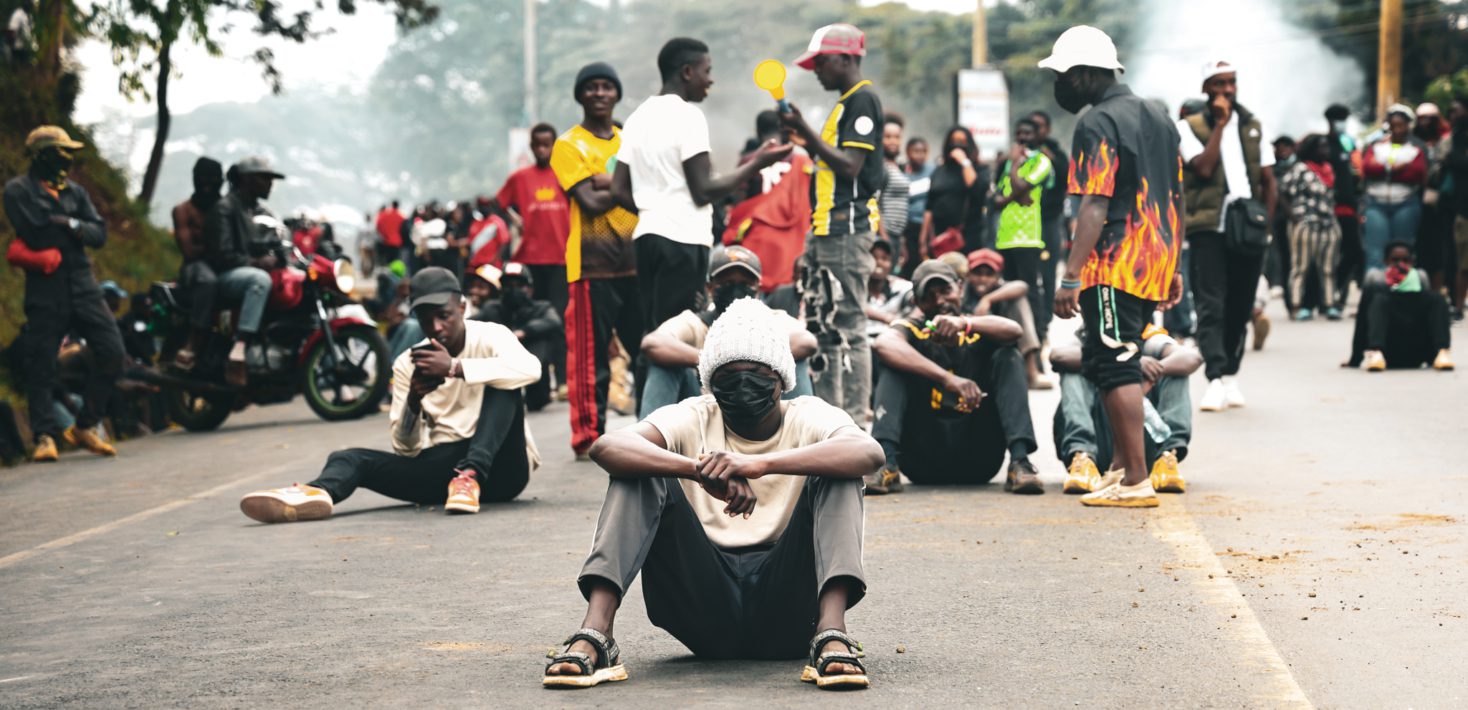
While the framework represents progress, its success will be measured by implementation. Reparations alone cannot deliver justice. Accountability for police and security agencies remains the weakest link. Kenya has witnessed over 200 killings during demonstrations between 2024 and 2026, yet only a handful of cases have reached the courts. Victims and families deserve more than financial redress; they deserve truth, accountability, and justice.
The Government of Kenya must now establish the Reparations Fund, enact comprehensive legislation, adopt a National Reparations Policy, and allocate sufficient resources to ensure victims receive timely and effective redress.
Publication of this framework is an important acknowledgment of victims’ rights. Yet no amount of compensation can restore lives lost, erase the trauma of torture, or undo the devastation of enforced disappearances. Reparations must proceed alongside urgent efforts to investigate, prosecute, and hold perpetrators accountable, ensuring such violations never happen again
Signed, George Morara Executive Director Amnesty International Kenya
ENDS
Media Contact: Mathias T. Kinyoda Mobile: +254 786 725434 Email: [email protected]