
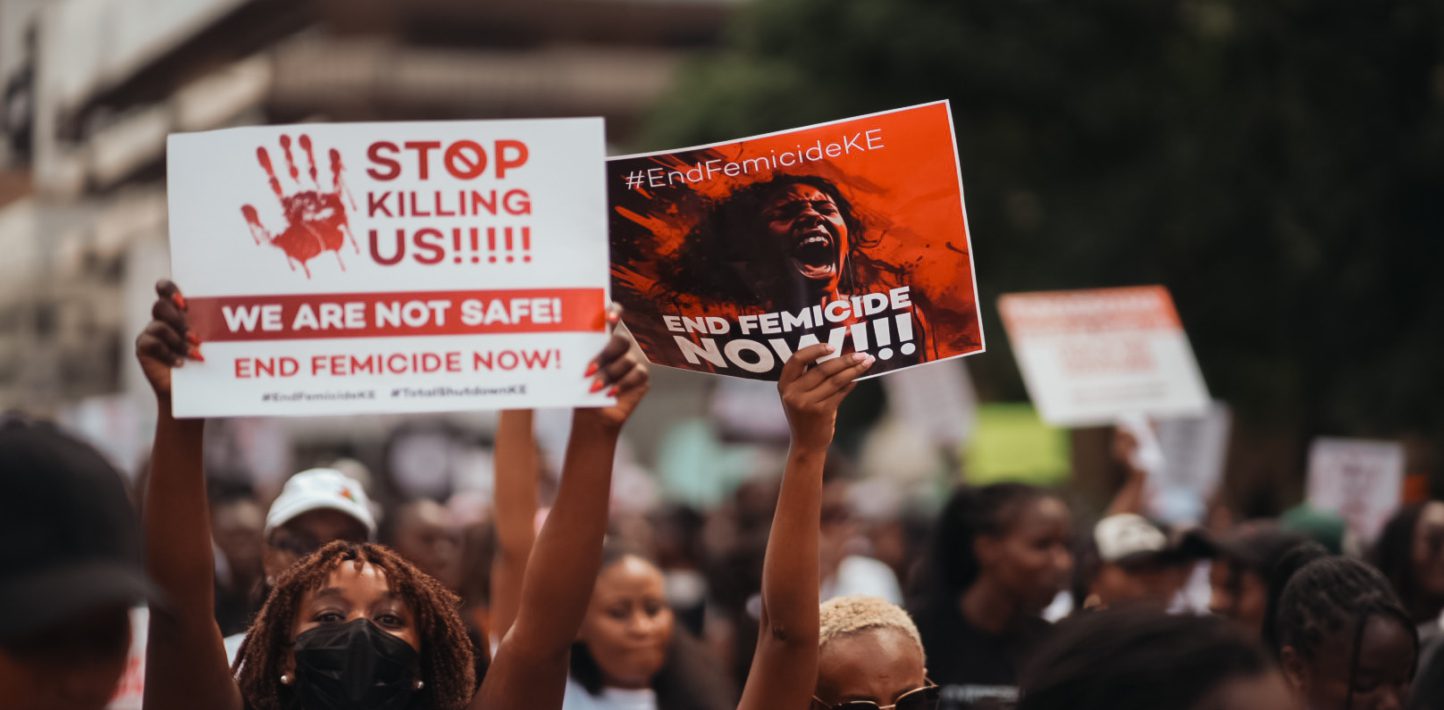


In April 2026, Davine Kwamboka, a mother of two in Migori County, was brutally killed, with CCTV later revealing her husband and two men attempting to dispose of her body. Her case is not isolated but part of a disturbing pattern of femicide marked by violence, silence, and grief. Anita’s killing in Nakuru, murdered by her husband, a Kenya Defense Forces soldier, in front of their young child, mirrors the same reality. These are not just individual tragedies, but stark reminders of a systemic failure to protect women before their lives are reduced to statistics.
On average, the media reports at least eight femicide cases every week in different counties in Kenya. For a day or two, their names moved through the headlines, and like many before, they all fade into silence. We must agree that these are not just isolated incidents and numbers, but repeated patterns of violence against women by people known or close to them.
Despite a public outcry and the Report of the Technical Working Group on Gender-Based Violence (GBV), including Femicide, having recommendations as a roadmap for strengthened prevention and response mechanisms against GBV, including Femicide, the country continues to grapple with weak implementation, low accountability, and entrenched patriarchal norms. Survivors encounter systemic and social barriers in accessing justice, protection, and recovery services. Femicide remains unrecognized as a stand-alone offence under the law, and most cases are either underreported, mishandled, or settled informally at the family or community level, undermining justice and reinforcing impunity. While the report’s recommendations are very clear on paper, the reality on the ground tells a different story, with a notable escalation of cases of GBV, including femicide, across the country.
During the Public Sector hearings by the National Treasury through the Technical Sector Working Groups at KICC back in November 2025, civil society groups and policy actors raised concerns about the clarity on how femicide cases are to be monitored. They pushed for investments in forensic capacity, safe shelters, and rapid response systems.
The Technical Working Group’s report tried to address the shift in fighting femicide from being seen as a series of tragic events to being treated as a systemic failure and a matter of National Security. The urgency right now outpaces the responses being witnessed in Kenya, as this would be evidently visible in the National budget lines tied to prevention and protection. A good and serious response would mean the State Department for Gender Affairs and Affirmative Action establishing a national database to help track the progress of cases and access to justice for victims and survivors of GBV, including femicide.
As we approach 30th April, when the budget estimates by the National Treasury will be released, I look forward to seeing what is allocated for national GBV prevention, response, and a specific ringfenced investment budget line that speaks specifically to femicide prevention, response, and tracking. This is because without costing the interventions, the recommendations from the Working Group Report remain just intentions. We must all be awake to the reality on the ground about femicide. It is happening back in our homes, in our neighborhoods, in towns across the country, and with every delay in addressing these escalating femicide cases, there must be a cost.
One death is too many. Davine Kwamboka and Anita’s stories should not just be another case of headlines fading into silence and grief amongst poor families with unanswered questions. All this requires action, and especially putting the right and enough budgetary investments in the prevention and protection of victims and survivors of GBV, including Femicide.