



Overview
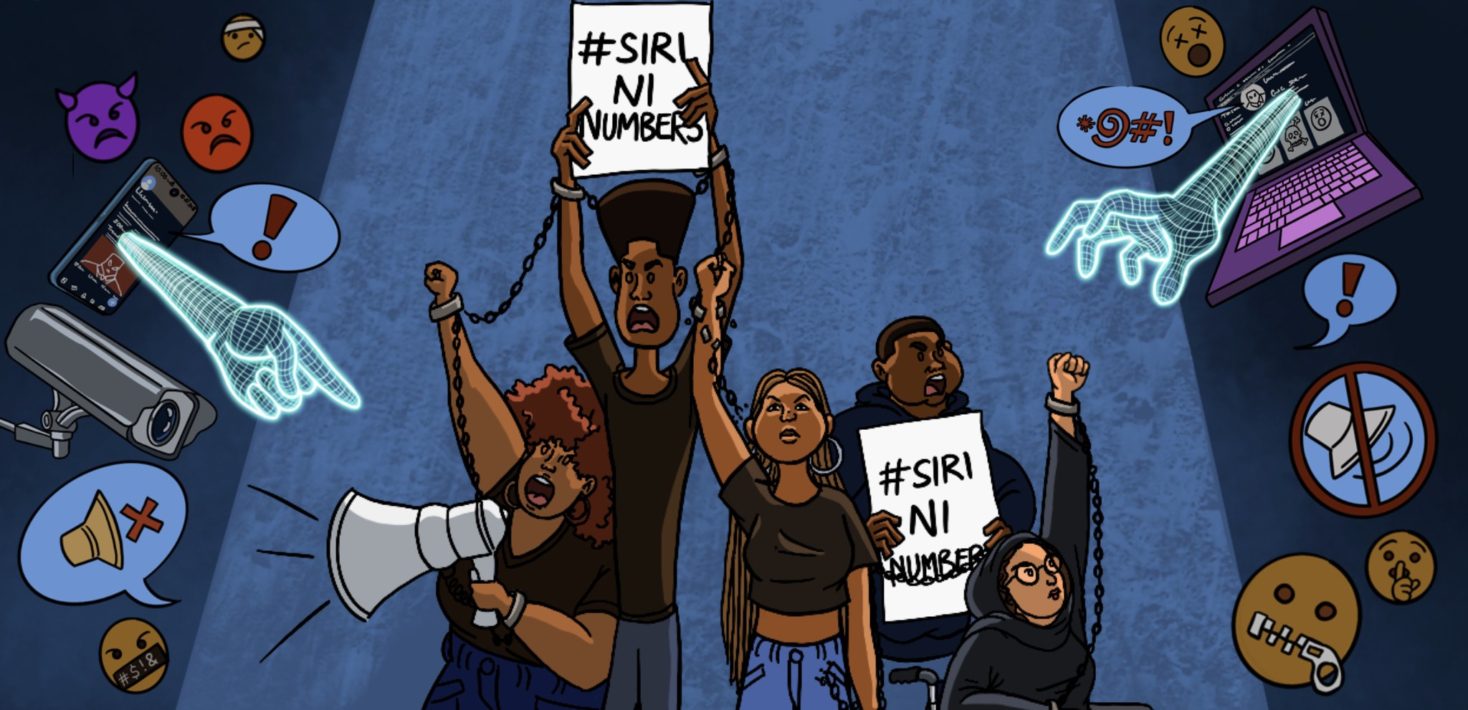
Kenya’s historic Gen Z–led protests of 2024 and 2025 showed the power of young people mobilizing online—and the alarming speed with which that power was met with digital repression, intimidation, and violence. This new Amnesty International report documents how technology has become both a tool for civic participation and a weapon used to silence, surveil, and harm young Kenyans demanding accountability.
Drawing on in-depth interviews with 31 young human rights defenders, social media analysis, and months of research across Nairobi, Mombasa, and Kisumu, the report reveals a disturbing pattern: state-linked online harassment, coordinated disinformation, unlawful surveillance, enforced disappearances, and extrajudicial killings carried out against peaceful protesters and outspoken online voices.
Key Findings
- Digital platforms were central to mobilizing the 2024–2025 protests, with TikTok, X, and WhatsApp enabling young people to organize demonstrations, share critical information, and crowdsource support for victims of police abuse.
- The government responded by merging digital and traditional forms of repression, including online threats, doxing, smear campaigns, internet disruptions, and the use of unlawful surveillance tactics to track and abduct protest leaders.
- Young women and LGBTI activists faced especially brutal forms of tech-facilitated gender-based violence, including AI-generated sexual imagery, misogynistic attacks, and homophobic hate campaigns amplified by coordinated troll networks.
- Coordinated pro-government disinformation networks—often linked to paid influencer groups—worked to delegitimize protesters, framing them as foreign agents or “paid activists” and drowning out genuine protest hashtags in real time.
- Telecommunications infrastructure was weaponized, with credible allegations of illegal access to phone data and live location tracking used to identify and target vocal activists.
- Police violence escalated both years, resulting in at least 3,000 arbitrary arrests, 83 enforced disappearances, and 128 killings between 2024 and 2025.
- Legal tools meant to protect Kenyans were instead weaponized, particularly the Computer Misuse and Cybercrimes Act, whose vague provisions have been used to intimidate activists, charge them unjustly, or block online content.
Despite this hostile environment, young Kenyans continue to organize, speak out, and demand justice. Their testimonies reflect a generation deeply committed to building a rights-respecting Kenya—despite being targeted, silenced, or disappeared for their courage.
Why This Report Matters
The findings expose a dangerous turning point for digital rights, civic space, and democratic participation in Kenya. As technology becomes increasingly central to protest and public debate, the risk of state overreach—and the harm posed to those who dare to dissent—grows exponentially.
This report offers a roadmap to reverse that trend:
- Halt tech-facilitated violence,
- Ensure accountability for the killings and disappearances,
- Investigate illegal surveillance, and
- Compel tech companies and telecoms providers to uphold human rights in their operations.
Above all, it calls on the Kenyan government to recognize that dissent—online or offline—is not a threat. It is a constitutional right.