
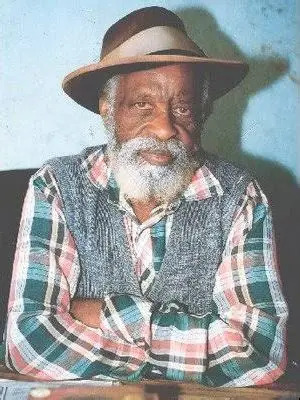


With the resumption of continuous voter registration on 29 September, seven by-elections set for 27 November, the scramble for the next generation of honest leaders is on. As Kaggia hits the stage later next week, one wonders what Bildad Mwaganu Kaggia would make of the Kenya he loved and fought for.
Written by veteran thespian and playwright John Sibbi-Okumu and directed by Stuart Nash, “Kaggia” is set to run between 11th -19th October at the Kenya National Theatre. Kaggia (1921–2005) was one of Kenya’s most prominent freedom fighters and nationalist politicians. Little known by at least two generations, it was Kaggia who persuaded the young Jomo Kenyatta to leave London for Kenya and advocate for political freedom from within. Kaggia was one of the Kapenguria Six, a group of leaders arrested and tried by the British colonial government in 1952. The six were imprisoned for demanding freedom from racial apartheid, the right to vote, and their own land, among other liberties.
Unlike Kenyatta, Kaggia was an active strategist and member of the Mau Mau Central Committee. With Kenyatta, unionist Fred Kubai, businessman Kungu Karumba, and journalists Paul Ngei and Achieng Oneko, Kaggia was imprisoned until 1961. Their incarceration became a symbol of resistance. It also catalysed the collapse of one of the most powerful, expansive, and brutal empires the world has ever known.
The release of the Kapenguria Six and over 70,000 Kenya Land and Freedom (Mau Mau) fighters and supporters from detention preceded the founding of Amnesty International and their designation of prisoners of conscience. It is arguable today that the Kapenguria Six should have been designated prisoners of conscience. Their imprisonment and principled resistance to colonialism and post-independence injustice align with the values Amnesty has defended for the last sixty years, namely freedom of expression, non-violent activism, justice, and equality.
The demons of post-colonial politics betrayed the hopes of Kenyans, especially Kaggia’s. Elected Kandara MP at independence, Kaggia served as Assistant Minister until one of the most important ideological debates took place. Now President, Jomo Kenyatta publicly rebuked Kaggia with words like, “We were not jailed to suffer. We were jailed so that we could be leaders,” and “Kaggia, what have you done for yourself? We were in detention together but look at you. You have nothing.”
Behind Kenyatta’s capitalist remarks was his firm belief that those who occupied public positions should use those positions to amass personal wealth. Kaggia disagreed. He believed land redistribution should benefit the freedom fighters. He also believed in selflessly serving the people. The KANU tide moved against Kaggia. Politically marginalized, he lost his parliamentary seat and resigned from KANU. He never changed his position and lived a very modest life until his death.
Like many of Kenya’s freedom heroes, Bildad Kaggia will continue to be a historically significant yet overlooked figure in the country he helped liberate. Kaggia did not dine with the colonialists or negotiate for his people’s freedom. He believed that independence must mean more than just swapping one colonial master for another African master.
It’s exciting that another generation will witness Kaggia’s story come alive again. Born in Dagoretti, Nairobi, he would be 104 this year. It’s hard to place him in today’s mainstream political landscape. He surely would be appalled by collapsing public services, corruption, and the “it’s our turn to eat” mentality. He’d likely admire the Gen Zote movement for its tribeless, inclusive values. If he were still living modestly in Jericho, he would be calling for a radical shift in governance and choosing integrity over complicity in a system that breeds poverty and corruption.
Kaggia’s legacy was buried by politicians who feared his truth. His name may be missing from our national celebrations and history books. Streets, schools, and airports may continue to honour those who betrayed the mwananchi, but John Sibi-Okumu’s play “Kaggia” ensures his story is not erased again. It also asks the very topical question: What would Kenya be if our leaders were not corrupt? Go watch. I invite you.
Irũngũ Houghton is the Executive Director of Amnesty International Kenya and writes in his personal capacity. Email: [email protected]