


Overview
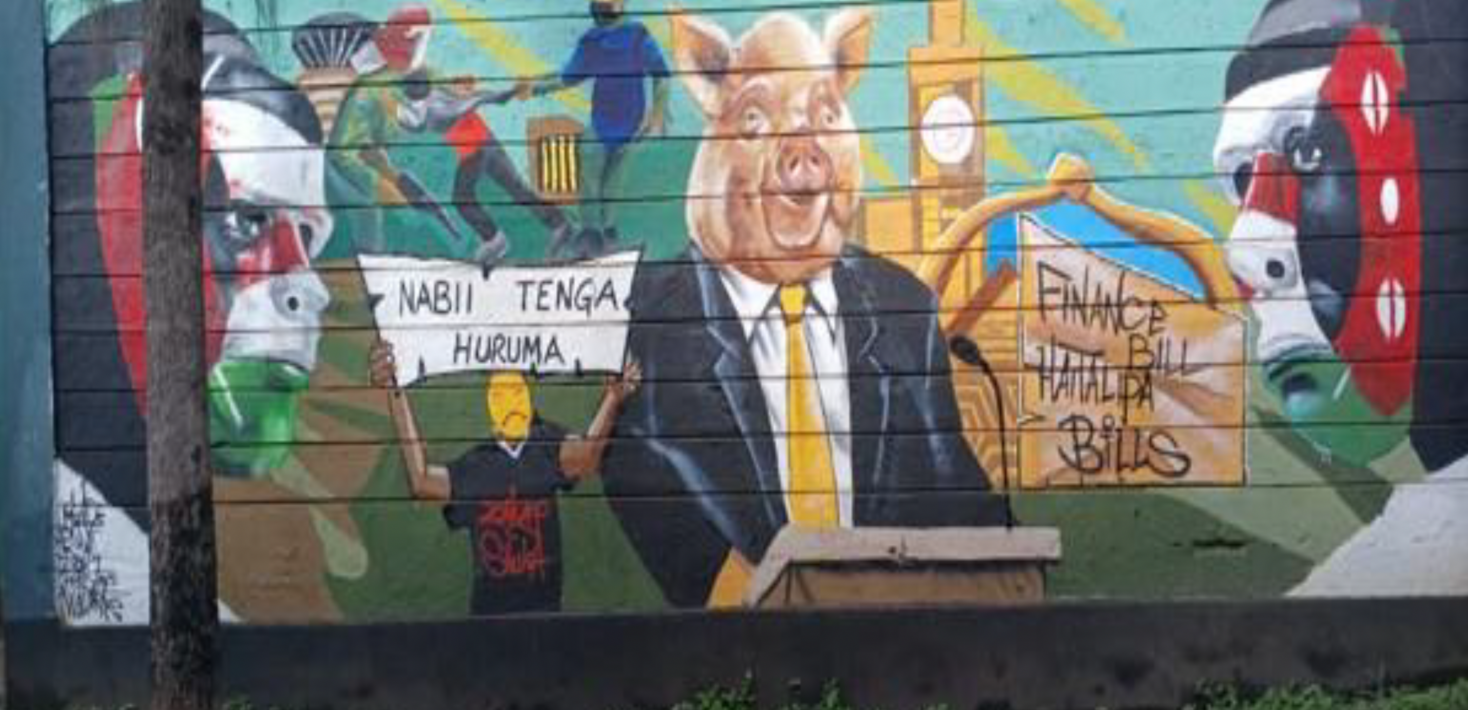
Between 2023 and 2025, Kenya witnessed an unprecedented upsurge in civic action and mostly youth-led protests driven by severe economic pressure, the rising cost of living, the removal of essential subsidies, and increased regressive taxation. Rather than addressing these structural economic grievances, the state increasingly resorted to authoritarian practices, severe crackdowns, arbitrary arrests, unlawful surveillance, and media suppression to concentrate power and shield authorities from accountability.
This comprehensive report explores the direct link between state repression of public protests, regressive fiscal policies, and the resulting violations of economic, social, civil, and political rights.
Key Findings & Core Themes
- Socio-Economic Underpinnings: Protests were fueled by crippling public debt servicing (which consumed up to 68.7% of the national budget in recent cycles), systemic corruption (with public service corruption losses peaking at KES 2.4 billion in 2024/2025), rising poverty affecting nearly 40% of the population, and a disregard for public participation in fiscal affairs.
- Authoritarian Narratives: State officials routinely vilified protesters as “economic saboteurs,” “criminals,” and “terrorists” to justify the use of excessive force and the misuse of anti-terrorism legislation (such as mass charges at Kahawa Law Courts).
- Suppression of Peaceful Assembly: Documented violations include 99 protest-related deaths between July 2023 and July 2025, widespread abductions, incommunicado detentions, enforced disappearances, and the deployment of armed non-state actors (“goons”) alongside or tolerated by security forces.
- Information Control & Digital Authoritarianism: The state engaged in extensive unlawful digital and physical surveillance of activists, internet disruptions, media censorship, live broadcast bans during protests, and the economic strangulation of critical media houses through withheld advertising revenue and unpaid pending bills.
- Institutional Weakening: Independent oversight institutions, the judiciary, and parliament faced mounting executive overreach, intimidation, and open defiance of binding court orders regarding police conduct.
Key Recommendations
Amnesty International calls upon the Government of Kenya, its development partners, and regional bodies to take immediate corrective action, including:
- Ceasing Repression: Immediately halt all forms of arbitrary arrests, detentions, unlawful surveillance, and the harassment of protesters, human rights defenders, and journalists.
- Fiscal and Debt Justice: Reorient national budgets to prioritize social spending (health, education, and social protection) over excessive debt servicing, and ensure human rights impact assessments precede major economic reforms.
- Police Accountability: Thoroughly investigate and prosecute all security agents and commanders responsible for unlawful killings, torture, and the excessive use of force, and ensure policing of assemblies complies with international standards.
- Protecting Civic & Media Space: Drop malicious prosecutions and “terrorism” charges against protesters, guarantee unhindered internet access, respect press freedom, and clear all pending bills owed to media organizations.